A Complete Guide to the Big Thompson Gold Medal Section
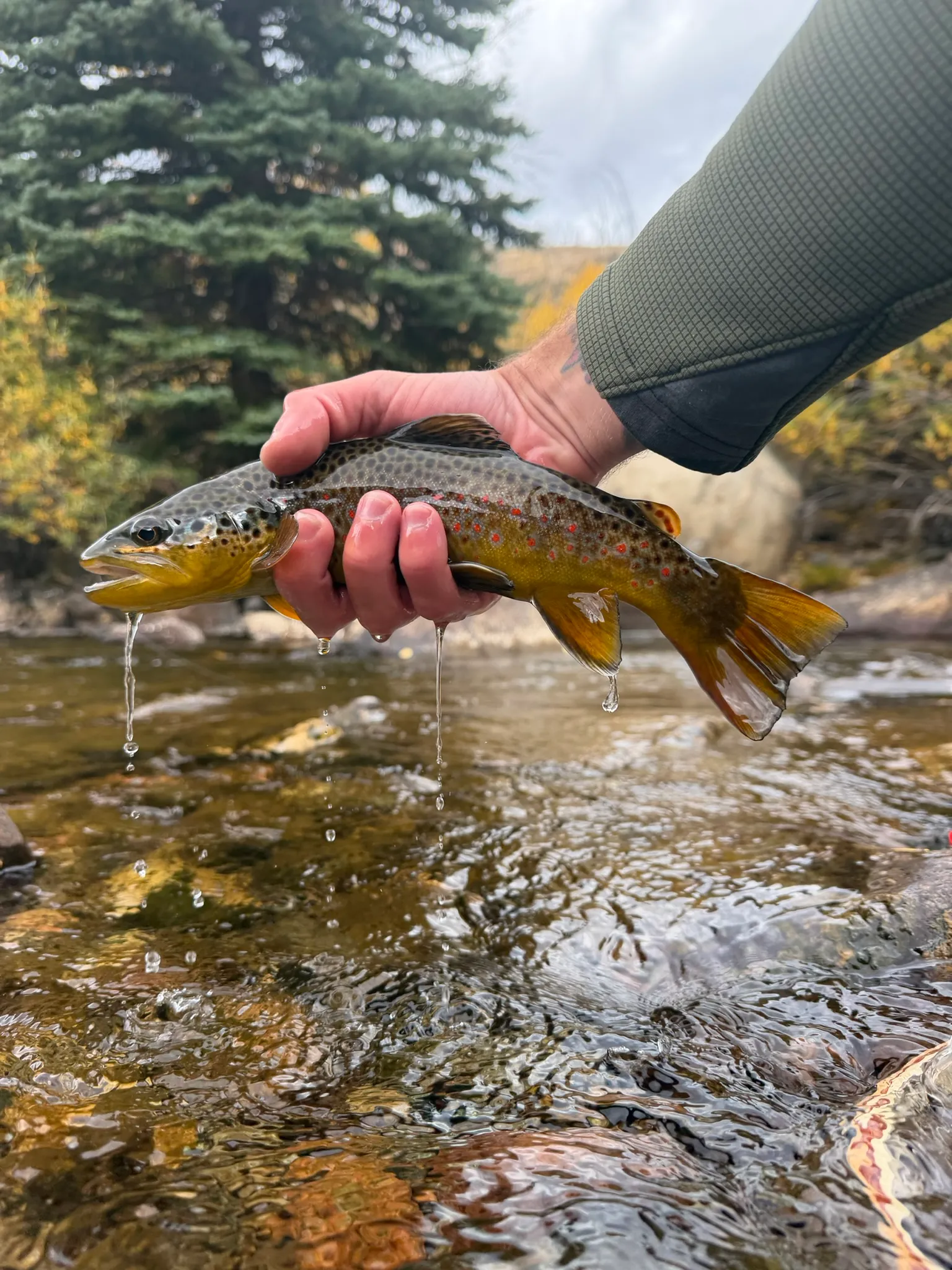
The Big Thompson River has a well-earned reputation for producing educated, difficult trout. The Gold Medal designation between Lake Estes and Drake isn't just a trophy on the wall—it reflects the quality of fish that call this stretch home. Big browns and rainbows up to 20+ inches are a real possibility, but they don't come easy.
Understanding the Water
The Big Thompson flows from the tailwater below Lake Estes through a narrow canyon with limited public access, then opens up somewhat through the ranching country near Drake. The water type varies dramatically: there are deep, glassy pools that require surgical presentations, technical seam water where conveyor belt currents can drag even the most careful drift, and pocket water bouncing off granite boulders.
The Biggest Challenge: Access
Unlike the Poudre River, which has dozens of pullouts along Highway 14, the Big Thompson canyon has limited public access. Most of the canyon is privately owned. The key public access points are:
Tactics That Work
The Big Thompson is first and foremost a nymphing river for most of the year. Double-nymph indicator rigs with a Copper John or Pheasant Tail as the lead fly and a smaller midge or RS2 as the trailer are the bread-and-butter approach. Leader length matters here—I typically run 4-5 feet of tippet below the indicator on this river.
During PMD season (June-August), the dry fly fishing can be exceptional. Look for fish feeding in predictable lanes along the seams during the mid-morning hatch. Use a PMD Cripple or Sparkle Dun ahead of a standard parachute pattern—cripple/emerger patterns consistently outperform in flat water.
Evening caddis fishing from late May through September can produce aggressive takes. The Big Thompson has strong Brachycentrus caddis populations, and you can often skate an X-Caddis or Elk Hair Caddis across the current to trigger explosive surface strikes after 7pm.