Chasing BWOs on the Spring Poudre River
Every March, I start watching the weather forecast with the same obsession most people reserve for ski conditions. I'm not looking for powder—I'm looking for clouds.
The Cache la Poudre's Blue Winged Olive hatch is one of the best early-season opportunities in Northern Colorado, and it almost always fires on overcast, drizzly days when the air temperature drops and the light flattens out. It's nature's cruel irony that the most productive fishing weather is also the most miserable to stand in.
When to Go
The spring BWO hatch on the Poudre River typically starts in earnest around mid-March and runs through mid-May, with the peak occurring on those classic gray spring days when everyone else has decided to stay home. Hatching usually begins around 11am and can continue until 4pm or so, with the most intense activity right around 1-2pm.
Where to Fish
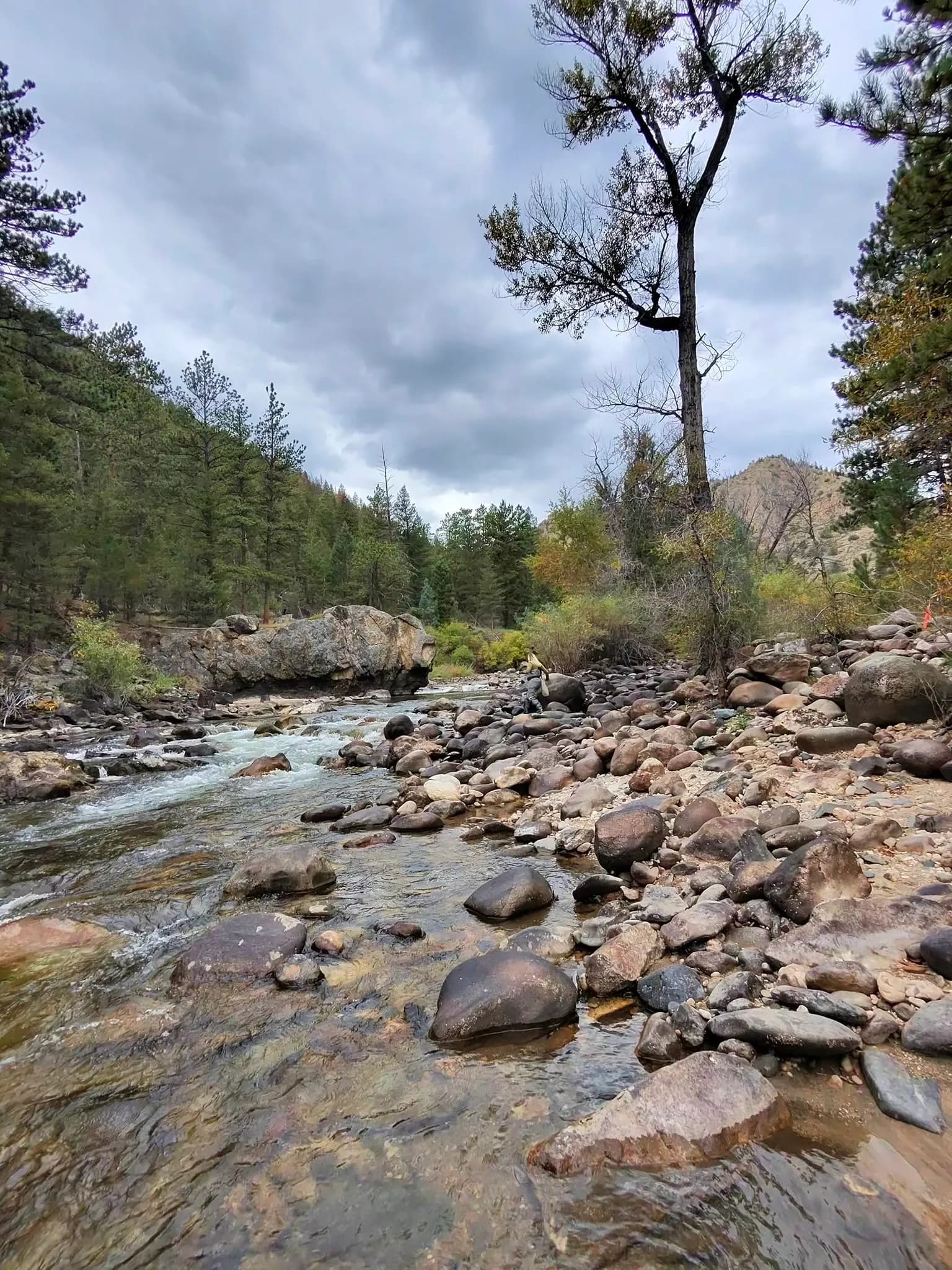
For spring BWOs, focus on the slower water—the flat pools, gentle eddies, and the soft edges where fast current meets slow. The Poudre River is primarily a fast-water river, so finding these softer spots is key. The stretch from Poudre Park upstream through the canyon has plenty of flat pools between the riffles where trout stack up to feed.
What to Throw
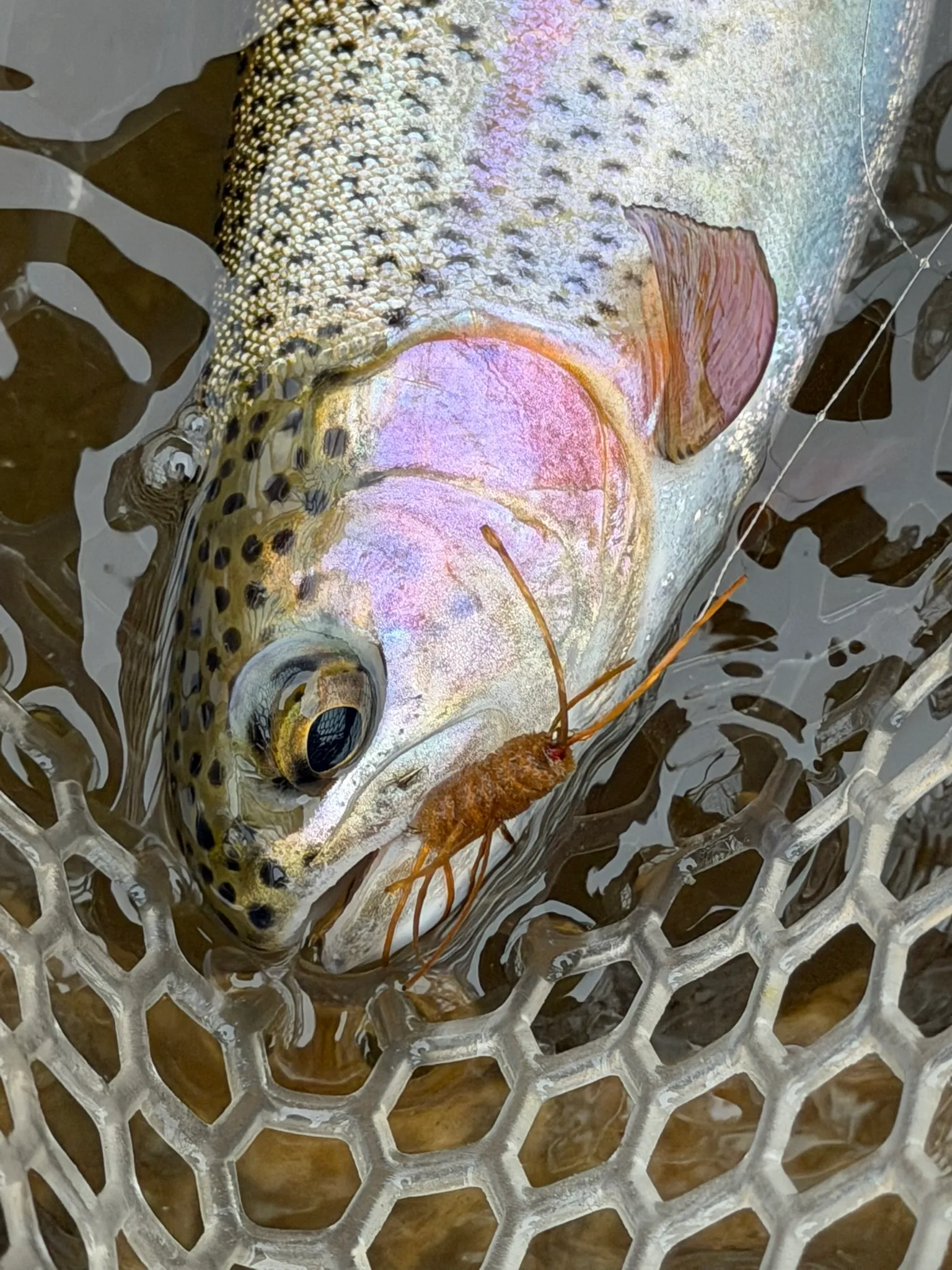
Size down. Spring BWOs on the Poudre River run #18-22, and I've had some of my best days on #20 Parachute BWOs with 5x or 6x tippet. The Sparkle Dun is also deadly—the trailing shuck imitates the emerging dun struggling out of its nymphal case and often outfishes a standard parachute pattern in the middle of the hatch.
Don't overlook the nymph game leading up to the hatch. A #18-20 Pheasant Tail or RS2 fished on a long leader with an indicator will catch fish for the two hours before fish start rising.
A Note on Presentation
Spring fish on the Poudre River are often leader-shy after a winter of clear, low water. I typically fish a 9-foot 5x leader and add another 18-24 inches of 6x fluorocarbon for the dry. Take your time, approach carefully, and make sure your drift is absolutely drag-free. These fish have all winter to study flies, and they're not easily fooled.